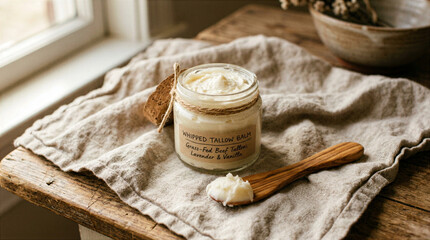
A skincare product does not need dozens of ingredients to attract attention. Sometimes, the appeal comes from returning to a simple ingredient used for generations. That is one reason craft tallow has found its way into modern skincare routines, particularly among consumers interested in rich balms, traditional ingredients, and small-batch products. Its creamy texture and concentrated nature make it especially appealing to people looking for an alternative to conventional lotions. Yet before adding craft tallow to your routine, it helps to understand what it is, how it is made, and what it can realistically do for your skin.
Craft Tallow generally refers to carefully rendered animal fat that has been purified and prepared for use in products such as skin balms, soaps, and moisturizers. In skincare, beef tallow is one of the most commonly used forms. Some formulations contain little more than tallow, while others combine it with carrier oils, beeswax, botanical ingredients, or fragrance. The quality, texture, and ingredients can therefore differ substantially from one product to another. Learning what separates a well-made craft tallow product from other options can help you make a more informed choice.
What Is Craft Tallow?
Craft tallow is typically produced by rendering animal fat using a controlled process that separates usable fat from water, tissue, and other unwanted material. The resulting fat can then be filtered and purified before being incorporated into a finished product. When intended for skincare, manufacturers may pay particular attention to texture, cleanliness, aroma, and consistency. The final tallow can be used by itself or blended with other cosmetic ingredients. This process turns a traditional raw material into a practical ingredient for modern personal care.
The word “craft” often refers to the small-scale or carefully controlled nature of production rather than a completely different type of tallow. A craft product may be prepared in smaller batches, with attention given to ingredient sourcing and the rendering process. However, the term itself does not guarantee a particular level of quality or skincare performance. Consumers should still examine ingredient labels and product information carefully. A transparent formulation provides more useful information than marketing terminology alone.
How Is Craft Tallow Made for Skincare?
Making tallow begins with rendering fat so that the usable portion can be separated from other materials. The fat is gently heated until it melts, allowing impurities and unwanted solids to be separated. It can then be strained or filtered and may undergo additional purification steps depending on the desired final product. Careful processing is particularly important for skincare because consumers generally want a smooth texture and mild aroma. Once properly prepared, the tallow can become the base for a balm or other cosmetic formulation.
After rendering, the tallow may be cooled into a solid balm or processed further to create a softer texture. Whipped tallow is produced by incorporating air into the prepared fat, resulting in a lighter consistency that can be easier to scoop and spread. Other formulations combine tallow with oils to alter softness, absorption, or application. Some may also include essential oils or fragrances, although these ingredients may not suit every skin type. The manufacturing process and additional ingredients ultimately determine how the finished craft tallow feels and performs.
Small-batch production can also lead to slight differences between products. Temperature, filtration, ingredient ratios, and storage conditions can all influence consistency. Tallow naturally becomes firmer in cooler conditions and softer when temperatures rise. This does not necessarily indicate a quality problem, since fats naturally respond to temperature changes. Understanding this characteristic can help consumers know what to expect when storing and applying a tallow-based product.
Why Is Craft Tallow Used for Skin?
One of the main reasons craft tallow is used in skincare is its ability to function as a rich emollient. Emollients help soften the surface of the skin, which can make dry or rough areas feel smoother. Tallow also has occlusive properties, meaning it can create a layer that helps reduce moisture loss from the skin. This characteristic can be especially useful for areas that regularly become dry, such as hands, elbows, knees, heels, and cuticles. Its concentrated consistency means that only a small amount may be necessary.
Tallow contains several fatty acids, including oleic, palmitic, and stearic acids. These contribute to its texture and moisturizing characteristics, but consumers should be cautious about exaggerated claims surrounding its composition. The fact that tallow contains certain nutrients or fatty acids does not automatically mean it can treat skin diseases or reverse signs of aging. Its most straightforward cosmetic role is as a moisturizing and skin-softening ingredient. Expectations should therefore focus primarily on hydration support and comfort.
Craft tallow may particularly appeal to people who prefer products with shorter ingredient lists. A simple formulation can make it easier to see exactly what is being applied to the skin. However, fewer ingredients do not automatically mean that a product is appropriate for everyone. Individual sensitivities, skin type, and added ingredients still matter. Patch-testing is a practical precaution before applying any unfamiliar product extensively.
Is Craft Tallow Good for Dry Skin?
Dry skin often benefits from products that reduce moisture loss and soften rough areas, which is where a tallow balm may be useful. Its rich consistency can form a protective layer over the skin and help it feel more comfortable. People may particularly appreciate this type of product during colder months, after frequent handwashing, or whenever environmental conditions leave their skin feeling dry. Because the balm is concentrated, a small amount can cover a surprisingly large area. Applying too much may simply make the skin feel unnecessarily oily.
For better results, craft tallow can be applied when the skin already contains some moisture. After washing or bathing, gently drying the skin and applying a thin layer can help trap some of the remaining moisture. This is different from expecting tallow itself to supply water to dehydrated skin. Balms primarily help seal and soften rather than functioning like water-rich moisturizers. Some people may therefore prefer combining a balm with other hydrating steps in their skincare routine.
Dryness can occasionally be associated with an underlying skin condition rather than ordinary environmental factors. Persistent cracking, inflammation, itching, pain, or unexplained skin changes may require appropriate professional evaluation. Craft tallow should not automatically be viewed as a treatment for eczema, psoriasis, or another medical condition. It may provide moisturizing benefits, but moisturization and medical treatment are not the same thing. Keeping that distinction clear can help consumers use the product appropriately.
Can You Use Craft Tallow on Your Face?
Craft tallow can be used on the face when the product is intended for cosmetic use and the formulation agrees with your skin. People with dry skin may appreciate its richer consistency, especially as part of an evening routine. Because tallow balm is concentrated, facial application generally requires much less product than body application. A small amount warmed between clean fingertips can be spread gently across the desired areas. Applying a thick layer is usually unnecessary.
Skin type should influence the decision, however. Someone with oily or acne-prone skin may find a heavy balm uncomfortable or may experience clogged pores or breakouts. The response can also depend on additional ingredients included in the formulation. Essential oils, fragrances, and botanical ingredients can cause irritation in some individuals even when the tallow itself is tolerated. Checking the entire ingredient list is therefore important before facial use.
Patch-testing provides a simple way to evaluate compatibility. Apply a small amount to a limited area and observe the skin before using it more extensively. If persistent redness, itching, burning, or increased breakouts develop, discontinuing use may be appropriate. People with ongoing skin concerns can also discuss new products with a qualified skincare or healthcare professional. A product does not need to work for every skin type to be useful for the people whose skin responds well to it.
What Makes a Good Craft Tallow Product?
Ingredient transparency is one of the most useful indicators to consider. Consumers should be able to determine whether the product contains primarily tallow or a blend of several ingredients. The label should clearly identify added oils, fragrances, essential oils, waxes, and other components. This information is especially important for people with known sensitivities. A simple and clearly explained formulation makes it easier to decide whether a product matches your preferences.
Texture and aroma can also affect the overall experience. Properly prepared skincare tallow is generally expected to have a smooth, usable consistency rather than containing obvious unwanted material. The aroma can vary depending on processing and added ingredients. Some consumers prefer unscented formulations, while others enjoy products containing fragrance or aromatic oils. Neither choice is universally better, but fragrance-free options may be worth considering for highly sensitive skin.
Packaging and storage instructions should also be evaluated. Because tallow changes consistency with temperature, consumers should follow the storage recommendations provided for the particular formulation. Keeping the container properly closed and using clean hands or an appropriate applicator can help maintain product quality. Changes in smell, appearance, or texture that suggest deterioration should not simply be ignored. Good manufacturing and careful handling both contribute to a better skincare experience.
How Should You Use Craft Tallow in a Skincare Routine?
Start with less product than you think you need. Tallow balms are concentrated, and a small amount can often be spread across a relatively large area once warmed by the skin. Rub a small portion between clean fingertips and gently massage it onto the desired area. More can be added if the skin still feels dry after application. This approach reduces waste and helps prevent an excessively greasy finish.
Timing can also make application more effective. Using craft tallow after washing or bathing can help retain moisture that is already present on the skin. When incorporating it into a facial routine, its rich consistency generally makes it more appropriate toward the end of the routine rather than before lightweight water-based products. Individual routines do not need to be complicated, however. For someone who prefers minimalist skincare, cleansing followed by an appropriate moisturizer may be sufficient.
Frequency should depend on how the skin responds rather than on a rigid schedule. Some people may use tallow daily, while others may reserve it for particularly dry areas or colder weather. Using more frequently does not automatically provide better results. If the skin begins feeling excessively oily or congested, reducing the amount or frequency may help. Skincare works best when product use is adjusted according to actual skin needs.
Is Craft Tallow Worth Trying?
Craft tallow may be worth considering for people who enjoy rich moisturizers, simple formulations, and traditional skincare ingredients. Its concentrated nature can make a small container last for a considerable period when only a small amount is used at each application. It can be particularly practical for dry hands, elbows, knees, feet, and other rough areas. Some people may also enjoy using an appropriate formulation on their face. Its usefulness ultimately depends on personal preference and skin compatibility.
It is equally important to maintain realistic expectations. Craft tallow is not automatically superior to conventional moisturizers simply because it is traditional or minimally processed. Many established skincare ingredients also provide effective hydration and have extensive research supporting their use. Tallow offers another moisturizing option rather than a universal replacement for every skincare product. Choosing between them should depend on your skin, preferred texture, formulation, and budget.
Trying a small amount first is often the most practical approach. This allows you to evaluate the scent, texture, absorption, and skin response without committing to a large container. If you enjoy the product and it keeps your skin comfortable, it can become a regular part of your routine. If it feels too heavy or causes irritation, another type of moisturizer may be more suitable. Personal experience should ultimately guide continued use.
Final Thoughts
Craft tallow brings a traditional ingredient into modern skincare through carefully rendered balms, whipped moisturizers, soaps, and other personal care products. Its primary appeal comes from its rich texture and ability to soften dry skin while helping reduce moisture loss. Small-batch processing and simple formulations can also appeal to consumers who prefer straightforward ingredient lists. However, quality varies, so examining the complete formulation, manufacturing information, and intended use remains important. Natural origins alone should never be treated as proof that a skincare product will work for everyone.
For people interested in trying craft tallow, starting with a small amount and focusing on basic moisturization is a sensible approach. Consider your skin type, check for fragrances or other added ingredients, and patch-test before widespread facial use. People with dry skin may particularly appreciate its concentrated texture, while those with oily or acne-prone skin may prefer something lighter. Most importantly, treat craft tallow as a cosmetic moisturizer rather than a cure for medical skin conditions. With realistic expectations and thoughtful product selection, it can be a simple and versatile addition to a skincare routine.