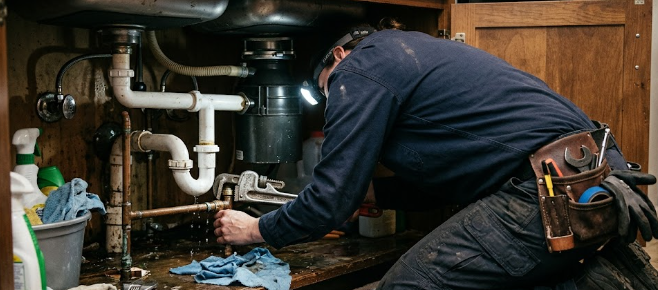
Plumbing emergencies rarely happen at a convenient time. A burst pipe in the middle of the night, a severely clogged drain that causes flooding, or a water heater leaking across the floor can quickly turn into a stressful situation for any homeowner. While some minor plumbing issues can wait for a scheduled appointment, others require immediate attention to prevent water damage, structural problems, and expensive repairs. Knowing when to contact an Emergency Plumber Castle Rock can make a significant difference in protecting your home and minimizing disruption. Acting quickly often limits damage and helps restore your plumbing system as safely and efficiently as possible.
What Is Considered a Plumbing Emergency?
A plumbing emergency is any situation that poses an immediate risk to your home, health, or safety if left unresolved. Burst water pipes, overflowing toilets that cannot be stopped, major water leaks, sewer backups, and gas line concerns are among the most common emergencies that require prompt professional attention. These problems can cause extensive property damage within a short period if water continues flowing unchecked. Immediate action helps reduce repair costs while protecting the home’s structure. Recognizing a true emergency allows homeowners to respond appropriately.
Not every plumbing issue requires emergency service, but it is important to understand the difference. A slowly dripping faucet or a minor drain blockage may be inconvenient, but these problems generally do not create the same level of risk as uncontrolled water leaks or sewage backups. Evaluating the severity of the situation helps determine whether immediate service is necessary. When water damage or health hazards are involved, delaying repairs often makes the problem worse. Quick decision-making protects both the property and its occupants.
What Should You Do Before an Emergency Plumber Arrives?
The first step during many plumbing emergencies is shutting off the water supply if it can be done safely. Turning off the main water valve prevents additional water from flowing into damaged pipes or fixtures, helping reduce flooding and further property damage. Homeowners who know the location of the shut-off valve can often limit the severity of the emergency before professional help arrives. Stopping the flow of water is one of the most effective ways to minimize damage. Every homeowner should become familiar with the home’s main shut-off location.
If the emergency involves electrical equipment near standing water, safety should always come first. Entering flooded areas where electrical hazards may exist can be dangerous and should be avoided until the area is safe. Valuable belongings, furniture, and electronics may be moved away from affected areas whenever possible without creating additional risks. Taking photographs of visible damage may also be helpful for future insurance documentation. Remaining calm allows homeowners to respond more effectively during stressful situations.
What Types of Problems Require an Emergency Plumber?
Burst pipes are one of the most common reasons homeowners contact an emergency plumber because they can release large amounts of water within minutes. Frozen pipes, aging plumbing materials, corrosion, and excessive water pressure may all contribute to sudden pipe failures. Water can quickly spread through walls, ceilings, flooring, and insulation, leading to structural damage if repairs are delayed. Immediate plumbing service helps stop the leak while reducing long-term restoration costs. Fast response is essential when dealing with burst pipes.
Sewer line backups also require immediate professional attention because they create serious sanitation concerns. Wastewater entering sinks, showers, bathtubs, or floor drains exposes occupants to harmful bacteria and unpleasant odors while making affected areas unsafe to use. Emergency plumbers have the equipment needed to diagnose and address these problems before they affect additional parts of the plumbing system. Prompt action helps restore sanitary conditions. Sewer issues should never be ignored.
How Does an Emergency Plumbing Service Work?
Emergency plumbing services typically begin with a rapid assessment of the situation to determine the source and severity of the problem. After arriving at the property, the plumber inspects the affected plumbing system, identifies the cause of the emergency, and develops a plan to stop additional damage. Locating the exact source of the problem is critical before permanent repairs begin. Accurate diagnosis ensures the appropriate repair method is selected. Thorough inspections improve repair efficiency.
Once the emergency has been stabilized, repairs may involve replacing damaged pipes, repairing leaking fixtures, clearing severe drain blockages, restoring water service, or recommending additional restoration if water damage has occurred. The plumber also checks surrounding plumbing components to confirm no related issues have developed elsewhere in the system. Before leaving, the repaired plumbing is tested to verify proper operation and ensure leaks have been eliminated. Careful testing helps prevent recurring problems. Complete repairs restore confidence in the plumbing system.
How Can Homeowners Prevent Plumbing Emergencies?
Preventive maintenance is one of the most effective ways to reduce the likelihood of unexpected plumbing emergencies. Routine inspections help identify aging pipes, loose fittings, corrosion, small leaks, and worn plumbing components before they fail completely. Water heaters, shut-off valves, supply lines, drains, and exposed pipes should all be checked periodically for signs of wear. Addressing minor issues early often prevents expensive emergency repairs later. Preventive care supports long-term plumbing reliability.
Homeowners can also reduce plumbing risks by using fixtures properly and avoiding practices that commonly lead to clogs or pipe damage. Only appropriate materials should be flushed down toilets, while grease, cooking oils, coffee grounds, and food scraps should be kept out of kitchen drains whenever possible. During colder months, protecting exposed pipes from freezing temperatures further reduces the risk of burst pipes. Responsible plumbing habits help maintain a reliable system. Everyday maintenance supports emergency prevention.
Why Is Fast Response So Important During a Plumbing Emergency?
Water damage can spread surprisingly quickly once a plumbing failure occurs. Flooring, drywall, insulation, cabinetry, furniture, and personal belongings may begin absorbing water almost immediately after a pipe bursts or a major leak develops. The longer water remains inside the home, the greater the likelihood of structural damage, mold growth, and expensive restoration work. Responding quickly limits the amount of damage that occurs. Immediate action often reduces overall repair costs.
Fast emergency service also helps restore normal household functions more quickly. Homes affected by major leaks, sewer backups, or failed plumbing fixtures may temporarily lose access to essential services such as running water or functioning bathrooms. Prompt repairs allow families to return to normal routines while reducing inconvenience and stress. Efficient emergency response improves both comfort and safety. Timely repairs help protect the home’s overall condition.
How Can You Choose the Right Emergency Plumber?
Choosing an emergency plumber involves more than simply finding someone available after hours. Homeowners should look for professionals who respond promptly, communicate clearly, perform thorough inspections, and explain recommended repairs before work begins. A detailed evaluation helps ensure the underlying cause of the emergency is addressed rather than only treating the immediate symptoms. Reliable communication builds confidence throughout the repair process. Quality workmanship supports lasting results.
It is also beneficial to establish a relationship with a trusted plumbing professional before an emergency occurs. Knowing who to contact during an unexpected plumbing problem can reduce stress while speeding up the response process. Routine plumbing inspections and maintenance performed by the same provider also create familiarity with the home’s plumbing system, making future repairs more efficient. Planning ahead improves emergency preparedness. A trusted plumbing professional becomes a valuable long-term resource.
Final Thoughts
An emergency plumber plays a critical role in protecting homes from serious plumbing failures that require immediate attention. Whether dealing with burst pipes, sewer backups, overflowing toilets, major leaks, or other urgent plumbing problems, quick professional response helps minimize water damage, restore safe plumbing operation, and reduce long-term repair costs. Understanding what qualifies as a plumbing emergency, knowing how to respond before help arrives, and investing in routine maintenance all contribute to better protection for your home. Being prepared allows homeowners to handle unexpected plumbing emergencies with greater confidence and peace of mind.