Large-scale commercial electrical installation projects represent some of the most complex and high-stakes undertakings in the construction industry. Whether powering a multi-story office building, an expansive warehouse, a manufacturing facility, or a healthcare complex, the electrical infrastructure forms the backbone of daily operations. Unlike smaller projects, these installations involve intricate load calculations, coordination across multiple trades, compliance with evolving codes, and long-term scalability planning. For developers, property owners, and project managers, understanding the key considerations behind commercial electrical installation is essential to delivering a safe, efficient, and future-ready facility.
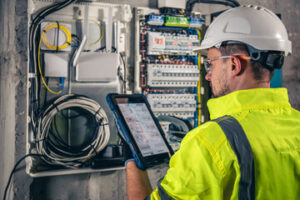
One of the most critical starting points in any large-scale commercial electrical installation project is comprehensive planning and design. Before a single conduit is installed, electrical engineers must conduct detailed load analyses to determine the anticipated energy demand. This includes evaluating lighting systems, HVAC equipment, machinery, data infrastructure, security systems, and specialized operational equipment. In commercial environments, even small miscalculations can result in overloaded circuits, inefficient power distribution, or costly retrofits later. A thorough design phase ensures that service panels, transformers, and distribution boards are properly sized from the outset.
Electrical load forecasting must also account for future growth. Commercial facilities rarely remain static. Businesses expand, technologies evolve, and additional equipment is introduced over time. Designing a system that only meets current requirements can create limitations down the road. Forward-thinking electrical installation planning incorporates capacity buffers and scalable infrastructure, allowing for additional circuits, panels, or distribution pathways without major structural modifications. This proactive strategy reduces long-term costs and minimizes operational disruption during expansions.
Code compliance is another foundational element of large-scale commercial electrical installation. Regulatory standards are in place to protect occupants, equipment, and property from electrical hazards. In the United States, the National Fire Protection Association publishes the National Electrical Code, which outlines comprehensive safety requirements for electrical design and installation. Adhering to these standards is not optional; failure to comply can lead to failed inspections, project delays, fines, and legal liabilities. Electrical contractors must stay informed about the most current code updates to ensure that installations meet all applicable requirements.
Project coordination is particularly challenging in large-scale installations. Electrical systems do not exist in isolation; they must integrate seamlessly with structural components, plumbing systems, HVAC ductwork, fire protection systems, and architectural features. Misalignment between trades can lead to costly rework or compromised performance. Effective coordination requires detailed project scheduling, consistent communication among stakeholders, and careful sequencing of installation tasks. Electrical conduits, cable trays, and panel placements must be strategically planned to avoid conflicts and ensure accessibility for future maintenance.
Another significant consideration is power distribution architecture. In large commercial facilities, power is typically delivered through a network of transformers, switchgear, and distribution panels. Selecting the appropriate configuration—whether radial, loop, or network distribution—depends on the facility’s size, redundancy requirements, and operational criticality. Facilities such as data centers or healthcare buildings often require backup generators and uninterruptible power supply systems to maintain continuity during outages. Designing redundancy into the electrical infrastructure enhances reliability and reduces the risk of costly downtime.
When evaluating large-scale commercial electrical installation projects, several technical priorities should remain at the forefront:
- Accurate load calculations and demand factors. Electrical engineers must apply proper demand factors to account for simultaneous and non-simultaneous usage, preventing overdesign while maintaining safety margins.
- Proper grounding and bonding systems. Effective grounding protects equipment and occupants from electrical faults and ensures safe dissipation of excess energy.
- Surge protection and power quality management. Large facilities often house sensitive electronics that require protection from voltage fluctuations and transient surges.
- Energy efficiency integration. Modern installations should incorporate energy-efficient lighting, automated controls, and high-efficiency equipment to reduce long-term operational costs.
Energy efficiency has become a central focus in commercial electrical installation. Rising energy costs and sustainability initiatives have driven demand for systems that optimize consumption without compromising performance. LED lighting systems, occupancy sensors, daylight harvesting controls, and advanced building management systems allow facility managers to monitor and adjust energy usage in real time. Integrating these technologies during initial installation is more cost-effective than retrofitting them later. Moreover, energy-efficient systems can enhance property value and appeal to environmentally conscious tenants.
Safety considerations extend beyond code compliance. Large-scale installations present inherent risks during construction, including exposure to high voltage, heavy equipment operation, and complex wiring configurations. Implementing strict safety protocols, conducting regular site inspections, and ensuring that electricians are properly trained and certified are non-negotiable aspects of responsible project management. Additionally, arc flash risk assessments and proper labeling of electrical panels help protect maintenance personnel long after construction is complete.
Material selection also plays a crucial role in long-term system performance. High-quality conductors, durable conduit materials, and properly rated switchgear components contribute to reliability and longevity. Cutting costs on materials may reduce upfront expenses, but can lead to premature failures or increased maintenance requirements. In large commercial facilities, downtime caused by electrical failures can result in substantial financial losses. Investing in durable materials is therefore both a safety and financial strategy.
Technology integration is increasingly shaping commercial electrical installation projects. Modern buildings often incorporate advanced data networks, security systems, electric vehicle charging infrastructure, and renewable energy systems. Coordinating these components requires meticulous planning to ensure compatibility and code compliance. For example, integrating solar panels or battery storage systems involves careful consideration of interconnection standards and load balancing. Proper installation ensures that renewable energy sources complement rather than complicate the facility’s power distribution.
Timeline management is another significant challenge in large-scale commercial projects. Electrical installation must align with overall construction schedules to prevent bottlenecks. Delays in electrical work can impact inspections, occupancy permits, and final commissioning. Effective project management includes detailed scheduling, procurement planning for long-lead materials, and contingency planning for unforeseen obstacles. Clear milestones and progress tracking help maintain momentum and ensure timely completion.
Commissioning is the final yet critical phase of large-scale commercial electrical installation. This process involves systematic testing of all electrical components and systems to verify proper operation. Panels are inspected, circuits are energized, load tests are performed, and backup systems are evaluated under simulated conditions. Commissioning confirms that the installation meets design specifications and performs as intended. It also provides an opportunity to identify and correct deficiencies before the facility becomes fully operational.
Maintenance planning should begin even before the installation is complete. Large commercial electrical systems require periodic inspections, testing, and preventive maintenance to sustain performance. Designing with accessibility in mind—such as ensuring adequate clearance around panels and equipment—facilitates safe servicing. Establishing maintenance schedules and documentation protocols from the outset supports long-term reliability and compliance.
Budget management remains a central concern throughout the project lifecycle. Large-scale commercial electrical installations represent a significant portion of construction budgets. Transparent cost estimation, value engineering, and strategic procurement help control expenses without compromising quality. While it may be tempting to prioritize short-term savings, decisions should be evaluated based on lifecycle costs rather than initial price alone. Systems designed for efficiency and durability often yield greater financial benefits over time.
Communication among stakeholders cannot be overstated. Developers, engineers, contractors, inspectors, and facility managers must collaborate effectively to achieve project goals. Regular coordination meetings, updated design documentation, and proactive problem-solving foster a cohesive approach. Miscommunication in large projects can lead to expensive corrections and strained timelines. Clear documentation and consistent oversight ensure that all parties remain aligned from design through commissioning.
Ultimately, large-scale commercial electrical installation projects demand meticulous attention to detail, technical expertise, and strategic foresight. From load calculations and code compliance to energy efficiency and scalability, every decision influences the facility’s long-term performance. A well-executed installation not only powers equipment and lighting but also supports operational continuity, safety, and growth.
As commercial properties continue to evolve with technological advancements and increased energy demands, the importance of thoughtful electrical infrastructure design becomes even more pronounced. Investing in comprehensive planning, high-quality materials, and professional execution lays the foundation for decades of reliable service. By prioritizing safety, efficiency, and adaptability, stakeholders can ensure that their large-scale commercial electrical installation projects deliver enduring value and operational resilience in an increasingly electrified world.