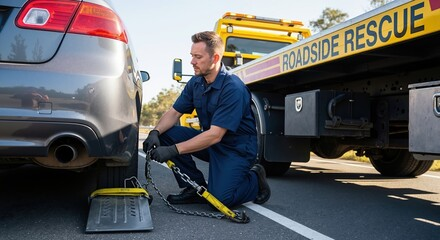
It always seems to happen at the worst possible moment. You are driving to an important meeting, heading home after a long day, or traveling with your family when suddenly your vehicle begins to sputter. A warning light flashes, a tire blows out, or the engine simply stops. In that instant, stress and uncertainty take over.
Being stranded on the side of the road can feel overwhelming, especially in heavy traffic or poor weather conditions.
What Is Emergency Roadside Assistance
Emergency roadside assistance is a service designed to help drivers when their vehicles become disabled or unsafe to operate. Instead of facing a breakdown alone, motorists can call trained professionals who respond directly to their location. The goal is to resolve the issue quickly and restore mobility whenever possible.
This type of assistance covers a wide range of common roadside problems. Whether it is a flat tire, a dead battery, an empty fuel tank, or a mechanical failure, roadside technicians are equipped to provide immediate help. In situations where repairs cannot be completed on site, towing services are arranged to transport the vehicle safely.
Roadside assistance is valuable for drivers of all types of vehicles, from compact cars to heavy duty trucks. It provides peace of mind by ensuring that help is available at any hour. Breakdowns do not follow a schedule, and having access to reliable support reduces the fear associated with unexpected vehicle trouble.
Common Situations That Require Roadside Assistance
One of the most frequent reasons drivers call for emergency roadside assistance is a flat tire. Sharp objects, potholes, and worn tread can all lead to sudden tire failure. Changing a tire on the side of a busy road can be dangerous without proper equipment and experience. Roadside technicians can quickly replace the damaged tire or provide temporary solutions to get the vehicle moving again.
Dead batteries are another common issue. Leaving headlights on, extreme temperatures, or aging batteries can prevent a car from starting. A simple jump start performed by a trained professional often resolves the problem in minutes.
Running out of fuel may seem avoidable, but it happens more often than many drivers admit. Long stretches of highway, unexpected detours, or inaccurate fuel gauges can leave motorists stranded. Roadside assistance can deliver fuel directly to the vehicle, allowing the driver to continue safely to the nearest station.
Lockouts also account for a significant number of service calls. Accidentally locking keys inside a vehicle can create frustration and delay. Professional technicians use specialized tools to unlock vehicles without causing damage.
More complex mechanical issues such as overheating engines, transmission problems, or brake malfunctions may require towing. In these cases, roadside assistance ensures that the vehicle is transported safely to a repair facility.
The Safety Benefits of Emergency Roadside Assistance
Safety is one of the most important advantages of emergency roadside assistance. Being stranded on the shoulder of a highway or in an unfamiliar area can present serious risks. Passing traffic, poor visibility, and harsh weather conditions increase the danger.
Professional roadside technicians are trained to operate in these environments. They use safety measures such as reflective gear, warning lights, and traffic control techniques to protect both the driver and themselves. Their presence reduces the likelihood of accidents during roadside repairs.
For families traveling with children, roadside assistance provides added reassurance. Instead of attempting repairs under stressful conditions, parents can focus on keeping their family safe while professionals handle the situation.
Roadside assistance also enhances personal security. Breaking down late at night or in isolated areas can feel intimidating. Knowing that help is on the way reduces anxiety and allows drivers to remain calm.
In addition, professional towing ensures that vehicles are transported without causing further mechanical damage. Improper towing methods can strain drivetrains or suspension components. Experienced operators use appropriate equipment to secure and move vehicles safely.
How Emergency Roadside Assistance Works
The process of receiving emergency roadside assistance is designed to be simple and efficient. When a driver experiences trouble, they contact a dispatch center and provide details about their location and the nature of the problem. Accurate information helps technicians prepare the necessary tools and equipment.
Dispatchers coordinate with the nearest available service provider to minimize response time. Many roadside assistance services use GPS technology to locate drivers precisely and track technician arrival.
Once on site, the technician assesses the situation and determines whether the issue can be resolved immediately. Simple fixes such as jump starts, tire changes, or fuel delivery are often completed quickly. If more extensive repairs are needed, towing arrangements are made.
Clear communication throughout the process helps drivers understand what to expect. Technicians may provide guidance on staying safe while waiting for assistance. Maintaining visibility, turning on hazard lights, and remaining inside the vehicle when appropriate are common recommendations.
The goal is to restore mobility as efficiently as possible while prioritizing safety at every step.
Emergency Roadside Assistance for Commercial and Fleet Vehicles
While roadside assistance is commonly associated with personal vehicles, it is equally important for commercial and fleet operations. Delivery services, transportation companies, and contractors rely on vehicles to maintain productivity. A single breakdown can disrupt schedules and affect revenue.
For fleet managers, access to reliable roadside assistance ensures that drivers receive immediate support. Prompt response reduces downtime and helps maintain delivery commitments. Professional technicians familiar with commercial vehicles can address issues specific to larger engines and heavy duty systems.
Documentation provided after service calls also benefits businesses. Detailed reports help track maintenance patterns and identify recurring problems. This information supports proactive maintenance planning and reduces the likelihood of future breakdowns.
Emergency roadside assistance contributes to overall operational efficiency. By minimizing delays and providing dependable support, businesses can maintain consistent service and protect their reputation.
Choosing the Right Roadside Assistance Service
Selecting a dependable emergency roadside assistance provider is essential for ensuring quality support. Availability is a key factor. Breakdowns can occur at any time, so twenty four hour service offers the greatest peace of mind.
Response time is equally important. Faster arrival reduces exposure to roadside hazards and minimizes delays. Clear communication about estimated arrival times helps drivers plan accordingly.
Service coverage should match the type of vehicle being operated. Drivers of larger trucks or specialty vehicles should confirm that the provider has appropriate equipment and expertise.
Transparency in pricing and service terms prevents misunderstandings. Understanding what services are included and whether towing distances are limited allows drivers to make informed decisions.
Reputation and experience also matter. Established providers with trained technicians are more likely to deliver efficient and professional assistance.
Conclusion: Confidence on the Road
Emergency roadside assistance offers more than mechanical support. It provides safety, convenience, and peace of mind when drivers face unexpected challenges. From flat tires and dead batteries to complex breakdowns requiring towing, professional assistance ensures that help is never far away.
For individual motorists and commercial operators alike, having access to reliable roadside support transforms stressful situations into manageable ones. The open road always carries some degree of unpredictability, but with dependable emergency roadside assistance, drivers can travel with greater confidence knowing that expert help is ready when it matters most.